
Twenty years of proving the doubters wrong, mostly
How a small company that set out to make one electric sports car became a carmaker, a battery maker and an AI company, and what the numbers say today.
- Cars delivered in 2025
- 1.64M
- Energy storage deployed in 2025
- 46.7 GWh
- Revenue in 2025
- $94.8B
- Share price at the 2010 IPO
- $17
A bet that electric could be better
Tesla Motors was founded in 2003 by two engineers, Martin Eberhard and Marc Tarpenning, on an idea most of the industry dismissed: that a car running on lithium-ion batteries could be faster and more desirable than a petrol one, not merely cleaner.
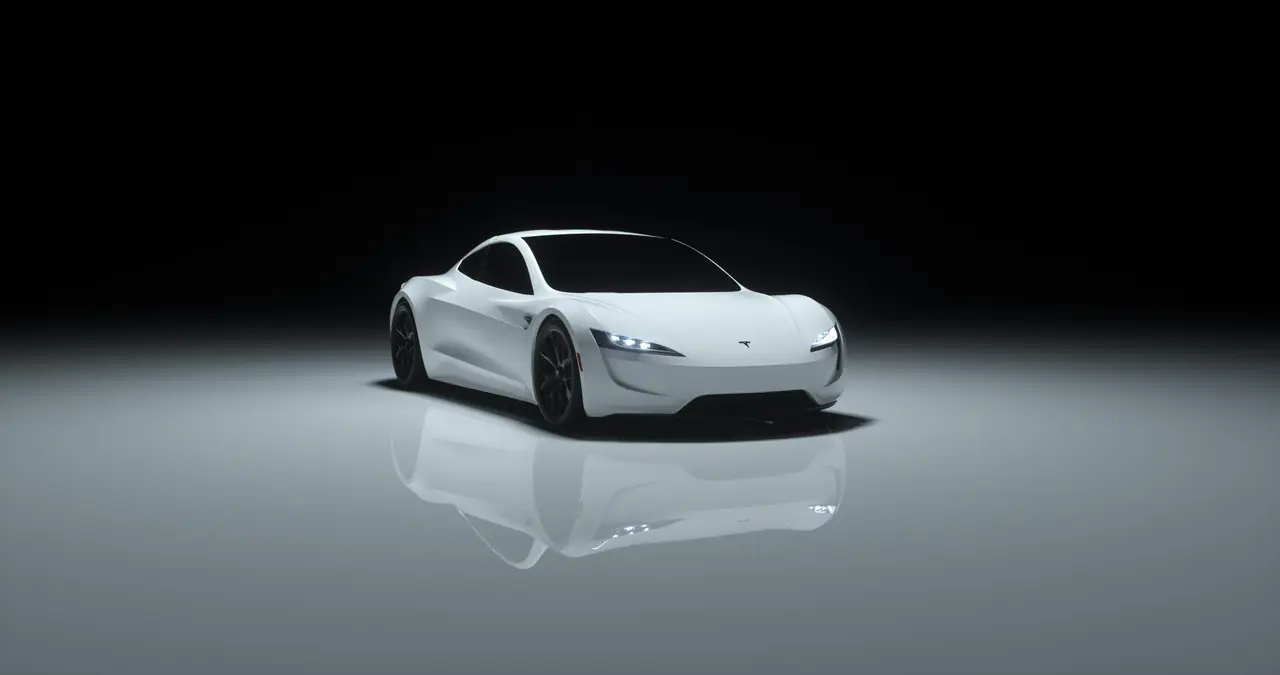
The first proof was the Roadster, delivered from 2008. A two-seat sports car on a Lotus chassis, it went around 245 miles on a charge, further than any electric car before it, and it made the point the company still repeats: build the car people want first.
Going public, building a car company
In 2010 Tesla bought the former NUMMI plant in Fremont, California, and went public at $17 a share, the first American carmaker to list since Ford. The money paid for the Model S.
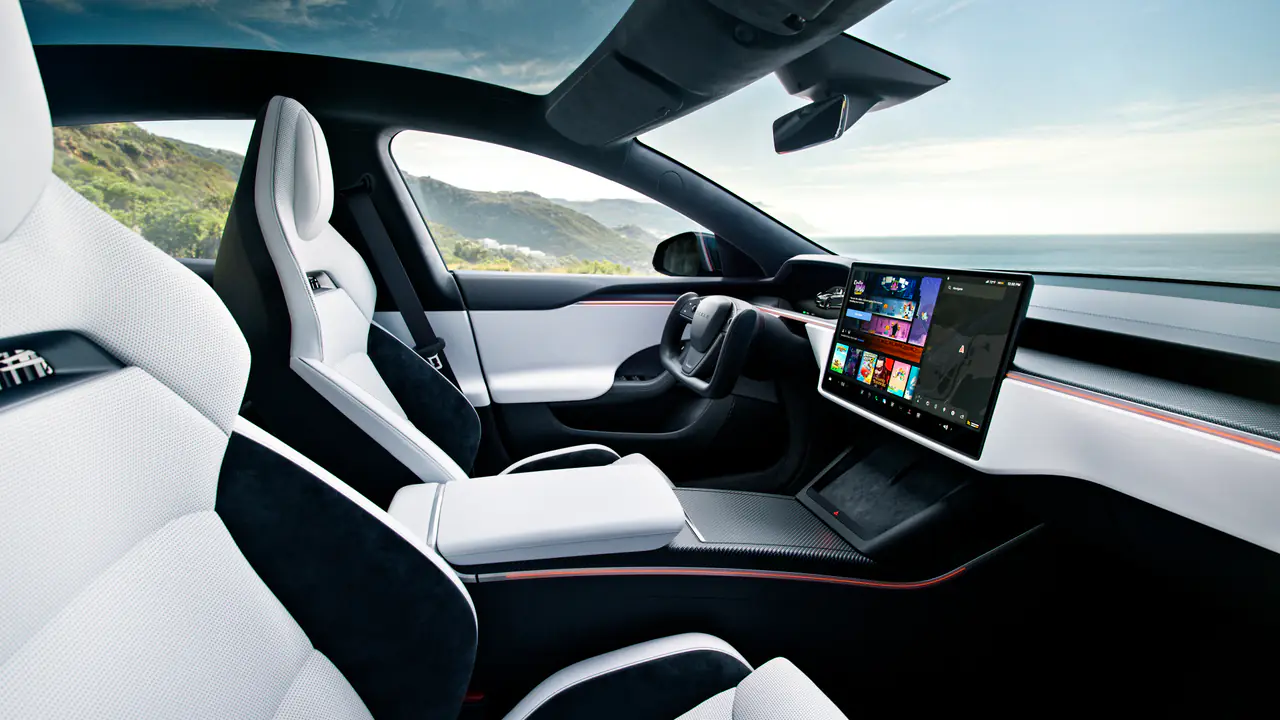
Model S arrived in 2012 with long range, a large touchscreen and software that improved over the air. It was named Motor Trend Car of the Year for 2013, and suddenly an electric car was the one to beat.
Batteries at scale, and the hard part
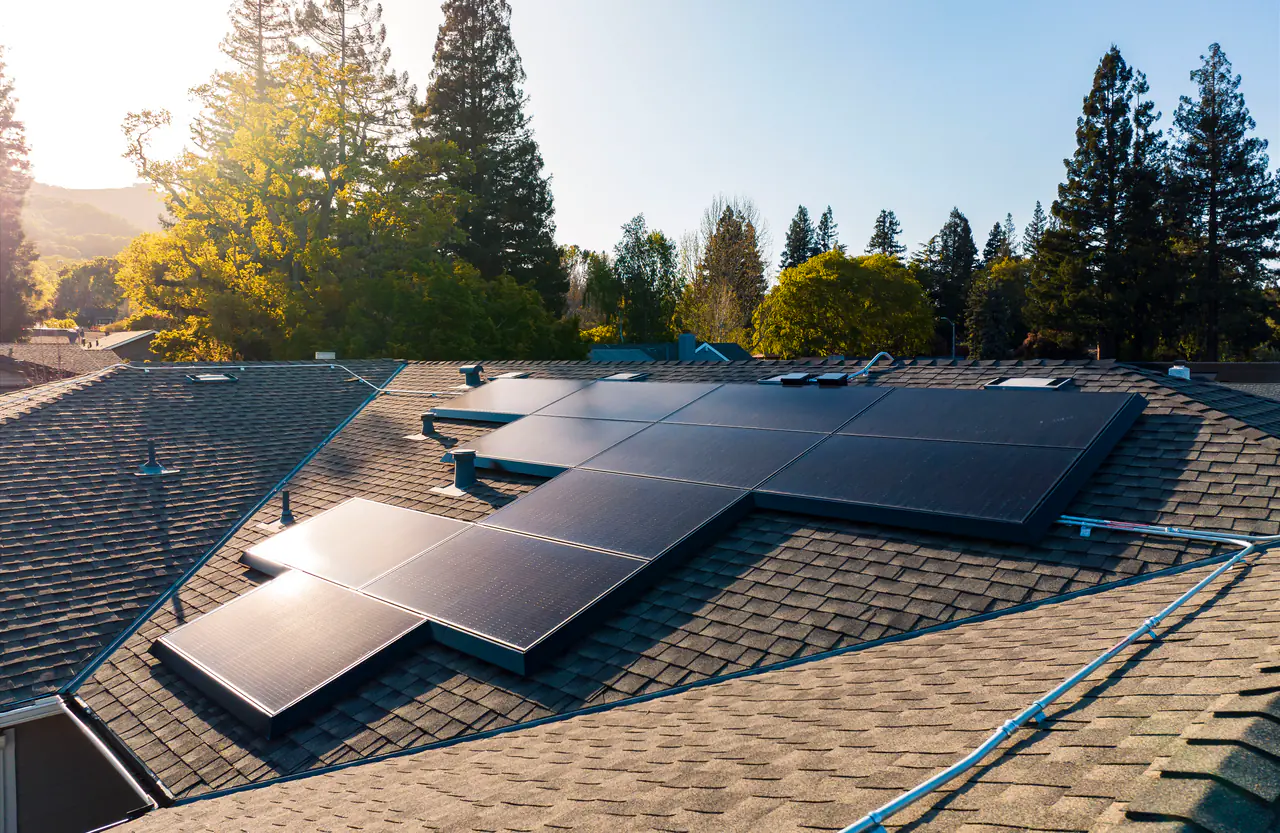
To make cars cheaper, Tesla needed batteries at a scale nobody had attempted. The first Gigafactory, in Nevada, was announced in 2014. Powerwall followed in 2015, Model X the same year, and the SolarCity acquisition in 2016 brought solar into the company.
Model 3 was unveiled in 2016 to hundreds of thousands of reservations. Building it was far harder: the ramp in 2017 and 2018 pushed the company close to the edge before production finally stabilised.
From start-up to giant
Gigafactory Shanghai began building cars in 2019, less than a year after construction started. A run of profitable quarters followed, and in December 2020 Tesla joined the S&P 500.
In October 2021 its market value passed one trillion dollars, more than most of the world’s carmakers combined, and the company moved its headquarters to Austin, Texas.
The peak of the car business
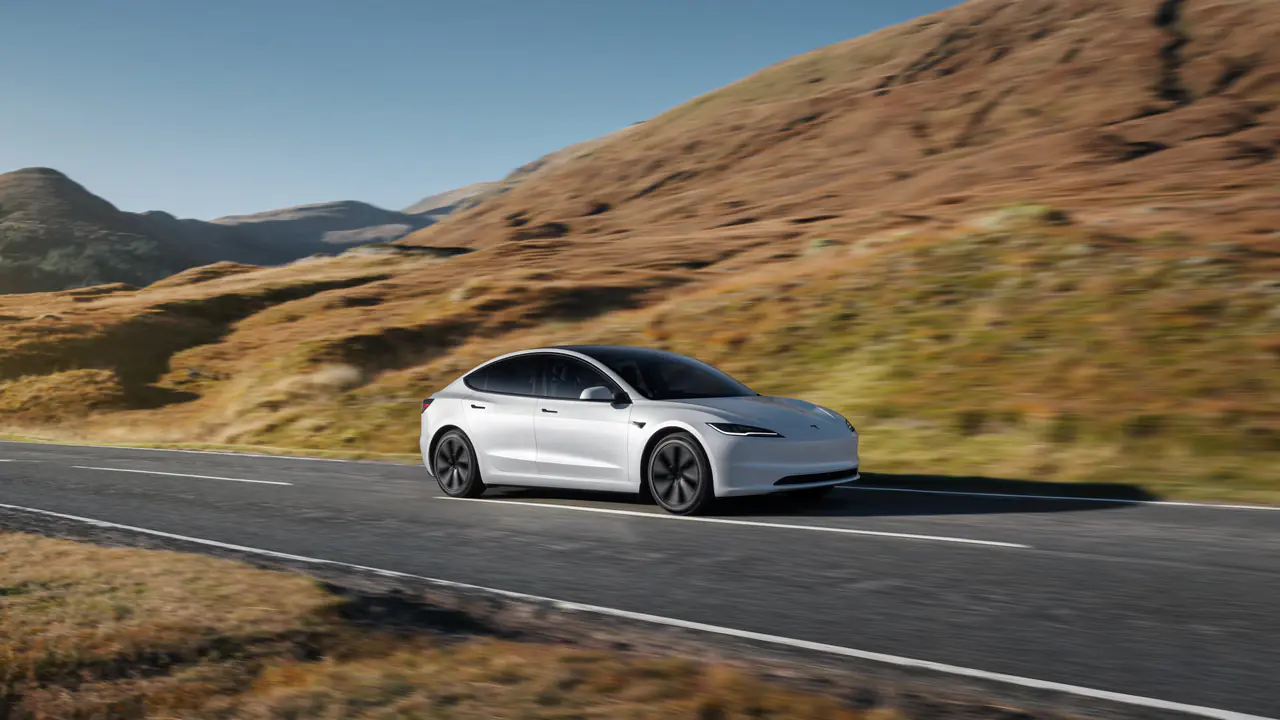
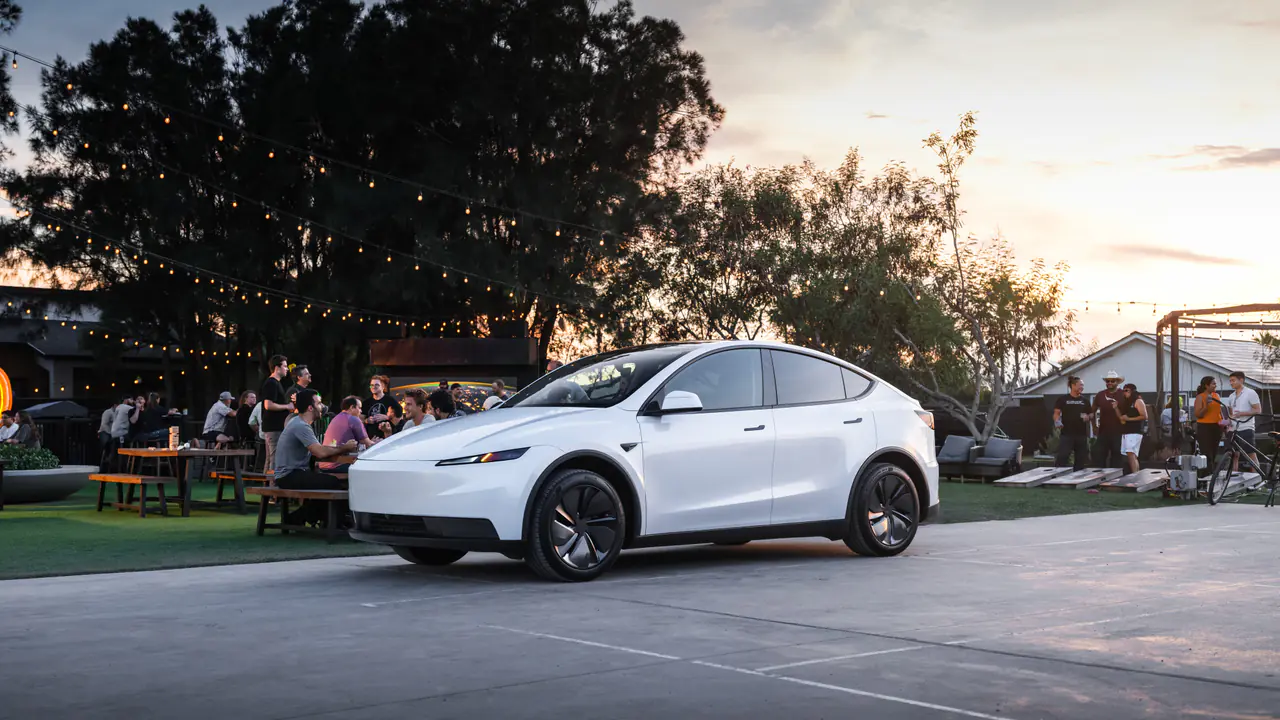
New factories opened near Berlin and in Austin in 2022. In 2023 Model Y became the best-selling vehicle of any kind in the world, and Tesla delivered about 1.81 million cars, its highest year so far.
Cybertruck went into production at the end of 2023, and other carmakers began adopting Tesla’s charging connector in North America.
Competition, energy and AI
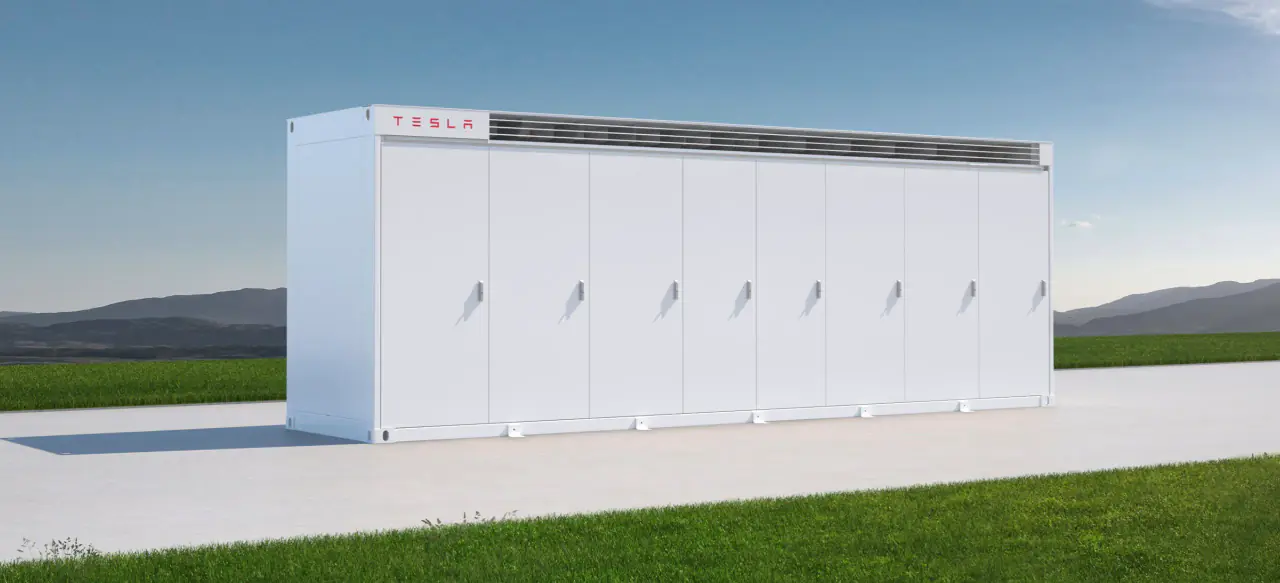
Cheaper electric cars from China and an ageing line-up meant deliveries fell in 2024 and again in 2025, to about 1.64 million. The energy business went the other way: 46.7 GWh of storage was deployed in 2025, a record, and energy revenue grew by more than a quarter to $12.8 billion.
The company now describes itself as moving from hardware towards AI: supervised self-driving, a robotaxi service and the Optimus robot, alongside a new Megapack factory near Houston.
Deliveries, year by year
Growth of roughly forty percent a year until 2023, then two years of decline as competition caught up. Thousands of cars, from Tesla’s own reports.
Work on what comes next
Twenty open roles across engineering, manufacturing, energy, AI, service and sales.